






The benefits of adding this game-changing food to your everyday diet
As we age, what we eat becomes more than just a way to satisfy hunger – it becomes a way to nurture our health, keep our energy steady, and maintain independence. Among the simplest yet most powerful foods you can add to your plate are legumes.
Legumes are a family of plants that include beans, lentils, peas, and chickpeas – foods many of us in India grew up eating in dals, curries, and chaat. They are humble, affordable, and packed with nutrition. For seniors, they can be a game-changer in supporting heart health, digestion, and even brain function.
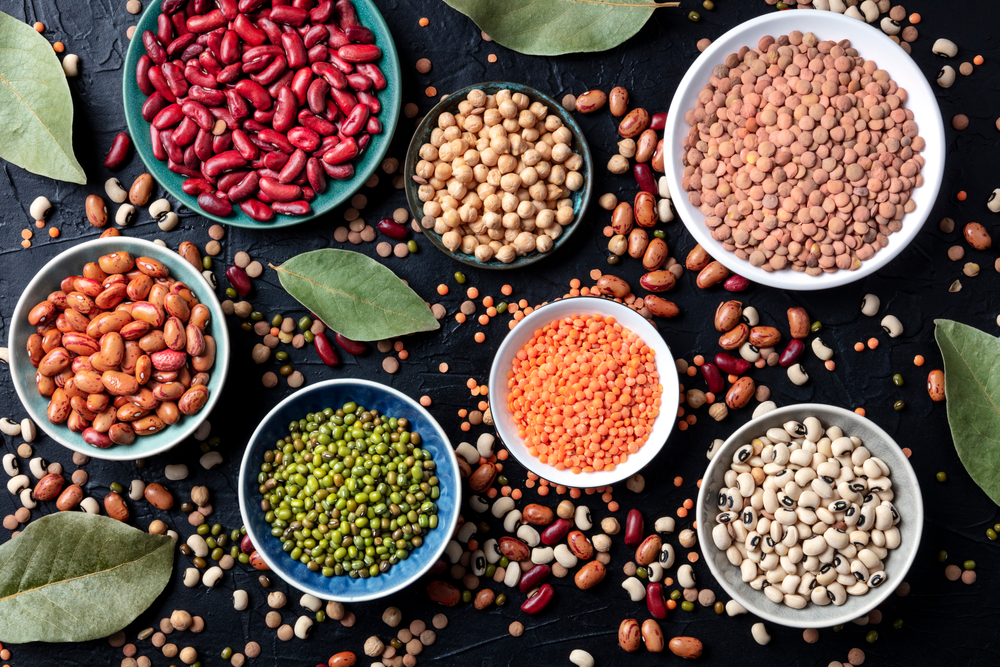
Types of Legumes Commonly Found Our Kitchen
- Lentils (Dal varieties)
- Masoor dal (red lentils)
- Moong dal (green gram, yellow moong)
- Toor dal (pigeon pea)
- Urad dal (black gram)
- Beans
- Rajma (kidney beans)
- Chawli (black-eyed beans)
- Soybeans
- Lima beans
- Chickpeas
- Kabuli chana (white chickpeas)
- Kala chana (brown chickpeas)
- Peas
- Green peas (matar)
- Dry peas (used in ragda, matar curry)
Why Legumes Are So Beneficial for Seniors
- A Source of Plant Protein
As we grow older, our muscles naturally lose strength. Legumes provide high-quality plant protein, helping maintain muscle mass without the heaviness of red meat. A bowl of dal with chapati or rice is both nourishing and light on digestion.
- Rich in Fibre
Constipation is a common complaint in senior years. The soluble fibre in legumes helps keep the digestive system moving smoothly and also supports healthy gut bacteria.
- Good for the Heart
Legumes are low in fat and contain no cholesterol. Their fibre content helps reduce LDL (“bad”) cholesterol and stabilise blood sugar – very important for those managing diabetes or high blood pressure.
- Packed with Micronutrients
Legumes are rich in iron, folate, magnesium, and potassium – nutrients that help with blood circulation, energy production, and bone health.
- Support for Brain and Mood
Some legumes like soybeans and chickpeas contain compounds that support memory, concentration, and mood – valuable as we strive to keep our minds sharp.
How You Can Add Legumes to Everyday Meals
- Start your day light – sprouted moong or a kala chana salad with lemon can be a refreshing breakfast.
- Classic dals – rotate masoor, moong, and toor dal through the week to enjoy different tastes and nutrients.
- Hearty meals – rajma chawal or chole with whole wheat chapati makes for a filling lunch.
- Snack smart – roasted chickpeas or boiled peanuts are healthier than fried snacks.
- Evening warmth – a bowl of green pea soup or mixed dal soup is easy on digestion and soothing.
Legumes And Your Tummy
While legumes are healthy, they can sometimes cause bloating or gas. To reduce this, soak beans overnight before cooking, cook them well, and add spices like ginger, hing (asafoetida), or jeera (cumin) to aid digestion.
Legumes are not just “poor man’s protein” – they are a senior’s ally for health and longevity. By adding a variety of dals, beans, chickpeas, and peas to your meals, you can enjoy flavour, tradition, and well-being in every bite.
A warm bowl of dal or rajma, after all, is not just food – it is comfort, strength, and the taste of home.