






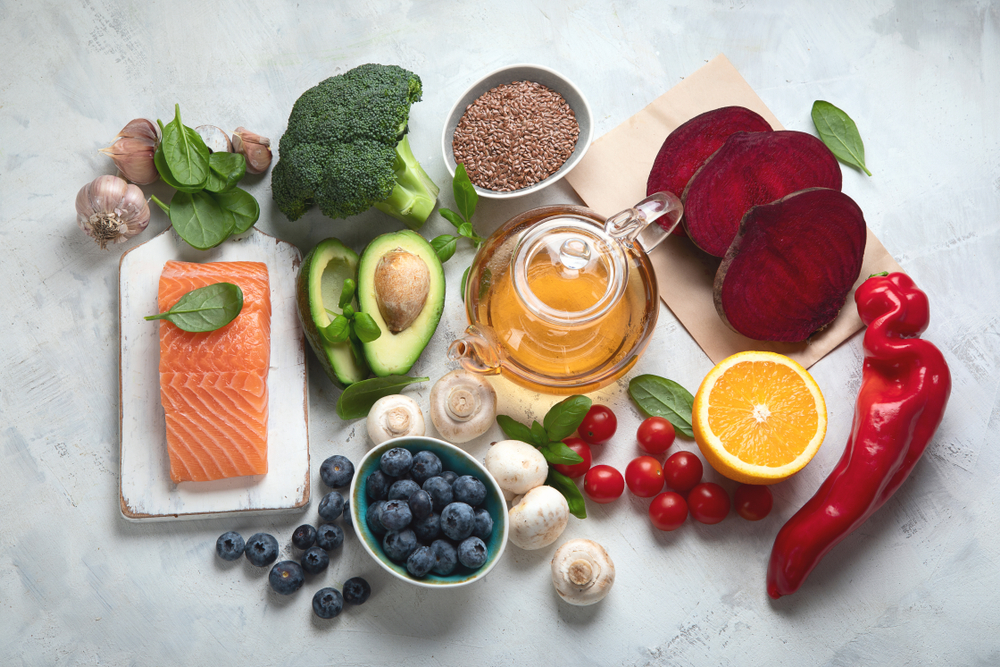
Cancer is one of the most daunting health conditions of our age. While medical advances continue to improve survival, the old saying “prevention is better than cure” still rings true. According to the World Health Organization, between 30 and 50 per cent of cancers may actually be preventable through lifestyle choices — and diet is right at the centre of this conversation.
But can certain foods really reduce your risk of cancer? The answer is not as simple as eating one “superfood” and being protected for life. What science does show, however, is that diets rich in natural, nutrient-dense foods can significantly lower your overall risk. Let’s take a closer look at what the research says.
Cruciferous vegetables: broccoli, cauliflower and kale
The humble broccoli spear does more than fill your plate with colour. Cruciferous vegetables, including cabbage, kale and cauliflower, contain natural compounds called glucosinolates. When broken down in the body, these release substances such as sulforaphane and indole-3-carbinol, which help protect DNA from damage and encourage faulty cells to self-destruct.
Studies reviewed by the American Institute for Cancer Research have linked high intake of these vegetables with reduced risks of cancers including lung, breast and colorectal. So, those extra spoonfuls of greens at dinner may be a simple but powerful line of defence.
Berries: small fruits, big protection
Blueberries, raspberries and strawberries are more than just summer treats. Their deep colours come from anthocyanins — antioxidant pigments that protect cells from free radicals, unstable molecules that can trigger cancer development.
Laboratory studies have shown that berry extracts can slow the growth of cancer cells in the oesophagus, colon and breast. While human trials are still catching up, large population studies consistently suggest that people who regularly eat fruit, particularly berries, may enjoy lower cancer risks. Adding a daily handful to porridge or yoghurt is an easy way to gain these benefits.
Tomatoes and lycopene
Few foods are as widely studied in relation to cancer as the tomato. Its protective power comes from lycopene, the compound that gives tomatoes their red hue. Research has linked diets rich in lycopene with a lower risk of prostate cancer, while some evidence also points to protection against breast and lung cancers.
Interestingly, cooking tomatoes actually boosts lycopene availability. This means pasta sauces, soups and slow-roasted tomatoes may be even more beneficial than raw slices in a salad.
Green tea
For centuries, green tea has been prized in Asia for its health benefits. Modern science attributes much of this to catechins, especially EGCG (epigallocatechin gallate), which appear to inhibit tumour growth in laboratory studies.
Population studies from Japan and China suggest that regular green tea drinkers may have lower risks of breast, prostate and liver cancers. While the evidence is not conclusive for all groups, swapping one daily coffee for a cup of green tea could be a wise choice.
Turmeric and curcumin
Turmeric, the golden spice so irreplaceable in our cooking, contains curcumin — a compound with powerful anti-inflammatory properties. Researchers have found that curcumin can interfere with cancer cell growth and signalling pathways, and it shows particular promise for digestive cancers.
While curcumin’s absorption in the body is limited, combining it with black pepper improves uptake. Whether in curries, soups or even a soothing turmeric latte, it’s a spice worth keeping in the cupboard.
Legumes and fibre-rich foods
Beans, lentils and chickpeas are more than budget-friendly protein sources. They’re packed with dietary fibre, which supports a healthy gut and fuels beneficial bacteria. A fibre-rich diet has consistently been shown to lower the risk of colorectal cancer, one of the most common cancers worldwide.
The World Cancer Research Fund recommends eating wholegrains, vegetables, fruit and legumes every day. Simply adding a portion of lentils to soup, chickpeas to a salad or kidney beans to a curry can make a real difference.
Garlic and onions
Garlic, onions, leeks and shallots all belong to the allium family, and their pungent flavour comes from organosulphur compounds. These substances are believed to slow cancer cell growth, boost DNA repair and reduce the activation of carcinogens in the body.
Several population studies have suggested that people with higher garlic consumption have lower risks of stomach and colorectal cancers. So, far from just being a flavour booster, garlic could be a quiet hero of cancer prevention.
The bigger picture
It’s important to remember that no single food or combinations of foods, can prevent cancer on its own. Cancer is influenced by many factors — genetics, age, lifestyle, environment and more. But diet is one factor we can control, and the evidence is clear: consistently choosing foods that nourish rather than harm us tilts the odds in our favour.
A diet rich in vegetables, fruit, wholegrains, legumes, spices and herbs provides the body with antioxidants, fibre and anti-inflammatory compounds that all work together to protect cells. At the same time, cutting down on processed meats, excessive alcohol, refined sugar and large amounts of red meat is equally important.
Here are some cancer-fighting drink ideas tailored for seniors, keeping digestion, energy and immunity in mind:
1. Green Juice for Cellular Protection
A gentle, antioxidant-rich option to start the day.
Ingredients:
- 1 cucumber
- 1 handful spinach or kale (mild, but rich in sulforaphane precursors)
- ½ green apple (for sweetness)
- ½ lemon (vitamin C boosts iron absorption)
- Small piece of ginger (anti-inflammatory)
Why it helps: Provides fibre, chlorophyll, vitamin C, and phytonutrients that protect cells. Hydrating and easy on digestion.
2. Berry Shake for Antioxidants
Perfect as a mid-morning or afternoon energy lift.
Ingredients:
- 1 cup mixed berries (strawberries, blueberries, raspberries) – high in anthocyanins
- ½ banana – potassium and natural sweetness
- 200 ml unsweetened yoghurt or plant milk
- 1 tsp chia seeds – fibre and omega-3s
Why it helps: Berries’ antioxidants help neutralise free radicals, while chia seeds add anti-inflammatory fats.
3. Matcha Green Tea Latte
For focus and gentle energy without the jitters of coffee.
Ingredients:
- ½ tsp matcha powder
- 200 ml warm plant milk (soy, almond, oat)
- ½ tsp honey (optional)
Why it helps: Matcha is high in catechins, especially EGCG, shown to help inhibit tumour growth. The amino acid L-theanine provides calm alertness, ideal for seniors sensitive to caffeine.
4. Golden Turmeric Milk (Haldi Doodh)
A soothing evening drink for inflammation control.
Ingredients:
- 200 ml warm milk (dairy or plant-based)
- ½ tsp turmeric powder
- A pinch of black pepper (enhances absorption of curcumin)
- ¼ tsp cinnamon (blood sugar support)
Why it helps: Turmeric’s curcumin compound has strong anti-inflammatory and anticancer properties. Best taken in the evening to aid repair and calm.
- Keep portions light: Smaller, nutrient-dense drinks are easier to digest.
- Add protein if needed: A spoon of yoghurt, nut butter or protein powder can make drinks more balanced, especially if appetite is low.
- Avoid excessive sugar: Use fruit for sweetness, but keep added sugars minimal.
- Hydrate steadily: Seniors often feel less thirsty, so juices, smoothies and teas can help meet fluid needs.
- Rotate ingredients: Variety ensures a wider spread of cancer-protective nutrients.
Food is more than just fuel — it’s information for our cells. While there are no guarantees when it comes to cancer, a diet built on cruciferous vegetables, berries, tomatoes, legumes, garlic, turmeric and green tea is one of the most powerful ways we can protect ourselves.