







Ah, the monsoon. That beautiful time of year when the parched earth breathes again, trees wear a deeper green, and the smell of wet soil brings back childhood memories. But while the rains bring much-needed relief from the summer heat, they also carry their own set of health challenges—especially for the elderly.
As we grow older, our digestive system tends to slow down, immunity weakens a touch, and we may be more susceptible to infections and seasonal illnesses. That’s why what we eat during the rainy season matters more than ever. The right foods can help you stay active and cheerful, while the wrong ones can leave you feeling bloated, sluggish, or even ill.
So let’s walk through what’s best for your plate this monsoon—and what’s best kept off it.
What to Eat
- Warm, Cooked Meals
Stick to freshly cooked, warm food. It’s easier to digest and far less likely to harbour bacteria. Avoid eating cold food straight from the fridge, and say no to reheating leftovers more than once.
- Light Grains and Pulses
Instead of heavy, greasy meals, opt for simple dishes like moong dal khichdi, daliya, or soft millet-based rotis (like ragi or jowar). These are gentle on the stomach and still nourishing.
- Seasonal Vegetables – But Cooked
Monsoon-friendly veggies like lauki (bottle gourd), tori (ridge gourd), parwal (pointed gourd), and bhindi (okra) are ideal. Ensure they are well-washed and thoroughly cooked—raw salads aren’t the best idea this season.
- Spices That Support Digestion
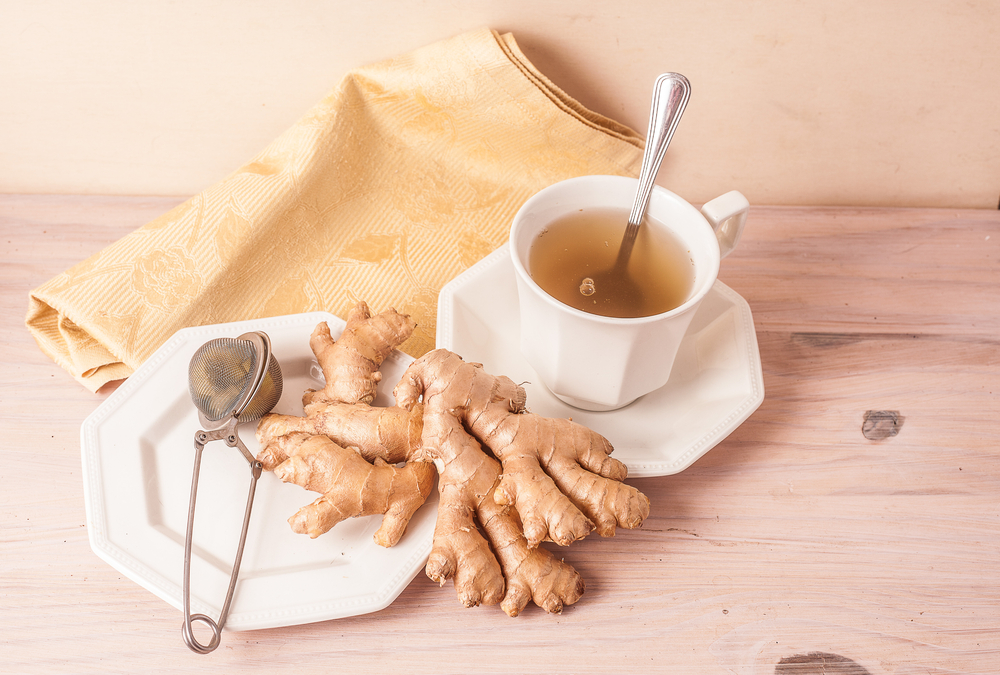
Ginger, ajwain, jeera, turmeric and hing are your allies. Add a touch to your cooking to help ease digestion and prevent gas or bloating.
- Probiotics & Buttermilk
A small glass of homemade chaas (buttermilk), preferably spiced lightly with roasted jeera and a pinch of salt, can do wonders for gut health. Just avoid it cold—room temperature is ideal.
- Herbal Teas and Kadhas
Swap regular tea for a comforting cup of tulsi, ginger, cinnamon or lemongrass tea. These keep you warm, help with digestion, and support your immune system.
- Fruits with Care
Stick to seasonal, non-watery fruits like bananas, papaya, apples, and pears. Wash them thoroughly. Avoid pre-cut fruits sold outside—they’re often exposed to flies and dust.
- Plenty of Warm Water
It’s easy to forget to drink enough water during the rains. Sip warm or boiled water throughout the day—it keeps you hydrated and aids digestion.
What to Avoid
- Leafy Greens – Raw or Dirty
While spinach, methi, and other greens are healthy, during the monsoon they’re prone to contamination. If you must eat them, wash them multiple times and cook them thoroughly.
- Street Food and Chaats
Tempting though they are, monsoon is not the time for pani puri, pakodas from roadside stalls, or cut fruit from carts. These can easily cause stomach infections—even in the strongest of us.
- Cold or Fermented Foods
Say no to curd straight from the fridge, fermented idli-dosa batter, or anything that’s been sitting out too long. These can disturb digestion and cause bloating or acidity.
- Overly Oily and Fried Foods
While that rainy-day bhajiya may be calling your name, remember: greasy food is hard on ageing digestion. If you must indulge, do so sparingly and prepare it at home with fresh oil.
- Seafood (Unless Very Fresh)
Seafood tends to spoil quickly in the rainy season. If you enjoy fish, ensure it’s absolutely fresh and well-cooked. Otherwise, it’s best to give it a miss until the rains settle down.
The monsoon is a time for comfort, rhythm, and reflection. It’s also a time to be gentle—with your body and your routine. Eating simple, warm, and freshly cooked meals, staying hydrated, and avoiding risky foods can help you enjoy the season without any health hiccups.
So take your cup of ginger tea, watch the rains from your veranda, and savour the comfort of well-cooked khichdi and lightly spiced vegetables. After all, good health isn’t about deprivation—it’s about making wise choices and enjoying life, one mindful bite at a time.
Stay warm. Stay safe. And enjoy the pitter-patter with peace of mind.