In a career spanning half a century and over 300 films, Dharmendra has given a large number of hits, across genres, with the best directors and some new ones, writes Deepa Gahlot
A pick of ten of his biggest hits:
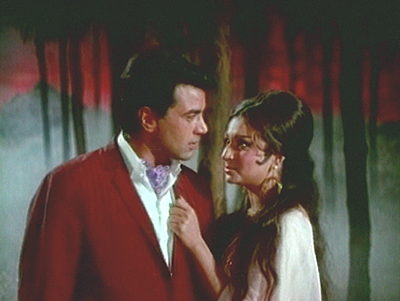
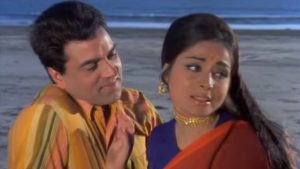
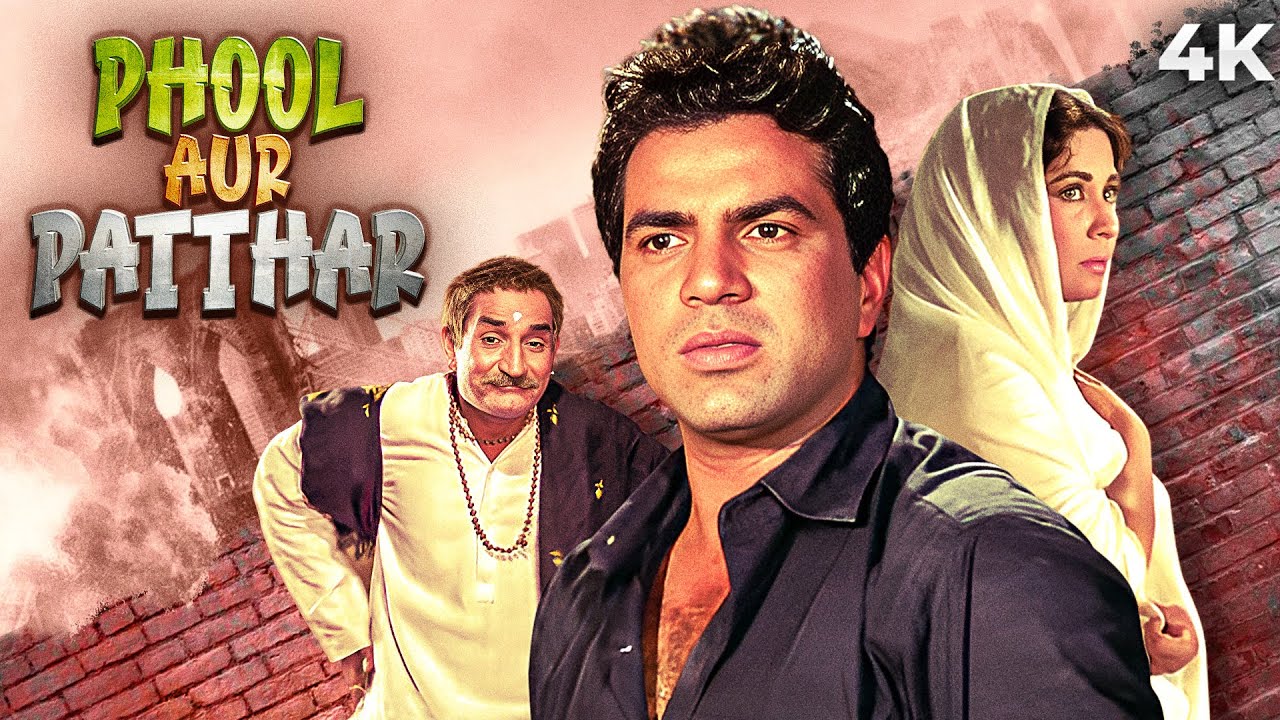
Phool Aur Patthar (1966):
This OP Ralhan film made him a star. Itcreated his “He-Man” image—specifically the scene where he takes off his shirt, a rarity for heroes at the time, and his tender, protective romance with a helpless widow (Meena Kumari), gave him a large female fan base.
Ankhen (1968):
This Ramanand Sagar film was one of Bollywood’s earliest spy thrillers. It was a box office success, praised for its international feel (shot in Beirut and Japan) and its patriotic undertones.
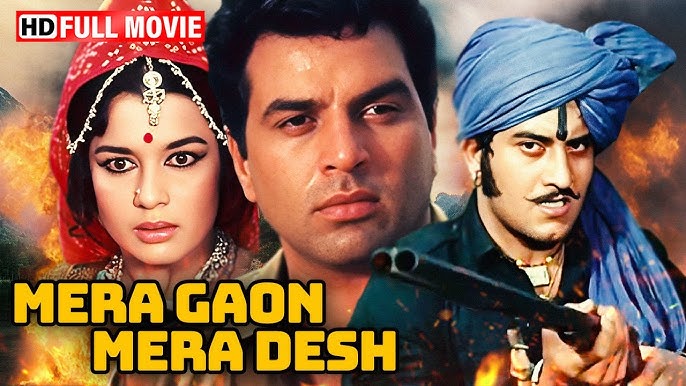
Mera Gaon Mera Desh (1971):
Before Sholay, there was Raj Khosla’s Mera Gaon Mera Desh, which established the template for the dacoit drama trending in that period. Dharmendra’s intensity as a reformed thief protecting his village was loved by audiences.
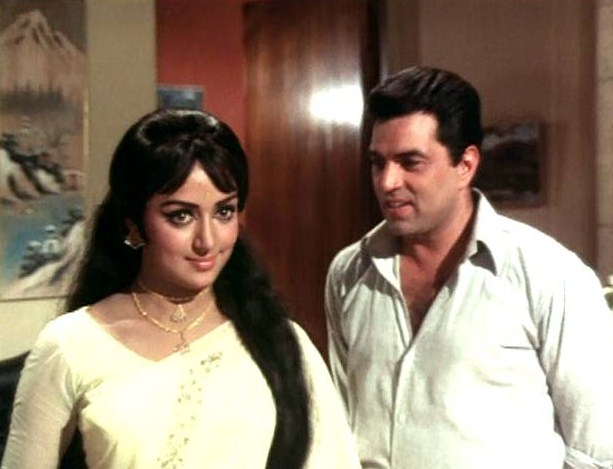
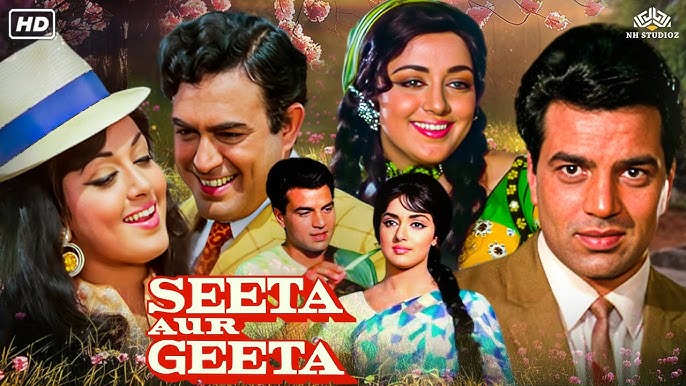
Seeta Aur Geeta (1972):
While Hema Malini had the double role, Dharmendra’s part as the street-smart acrobat Raka was the perfect foil to her character. It was a big hit, and showcased his flair for comedy.
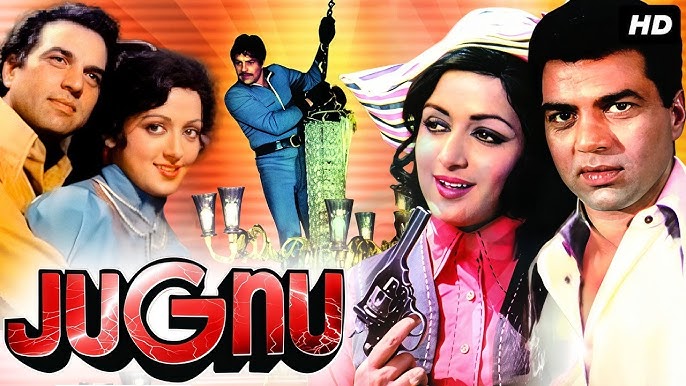
Jugnu (1973):
In this Pramod Chakravorty film, he played Ashok, Robin Hood-esque character, who is a jewel thief and philanthropist, and it was one of the biggest hits of the year.
Yaadon Ki Baaraat (1973):
Nasir Hussain’s film used the familiar trope of brothers separated at birth, in which he played the oldest, with a distinctive look. It was a musical hit and further solidified his status as an A-list star who could carry a multi-hero project.
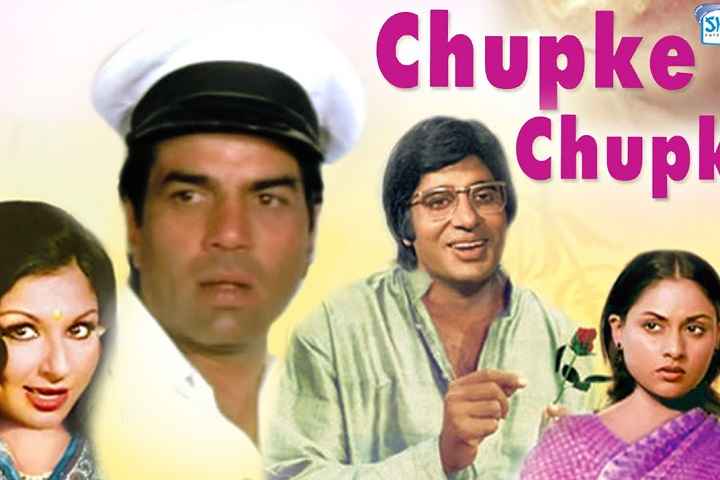
Chupke Chupke (1975):
Hrishikesh Mukherjee’s comedy cult classic that proved once and for all that he wasn’t just an action star. His role as the botany professor pretending to be a driver is widely considered one of the best comic performances in Hindi cinema history.
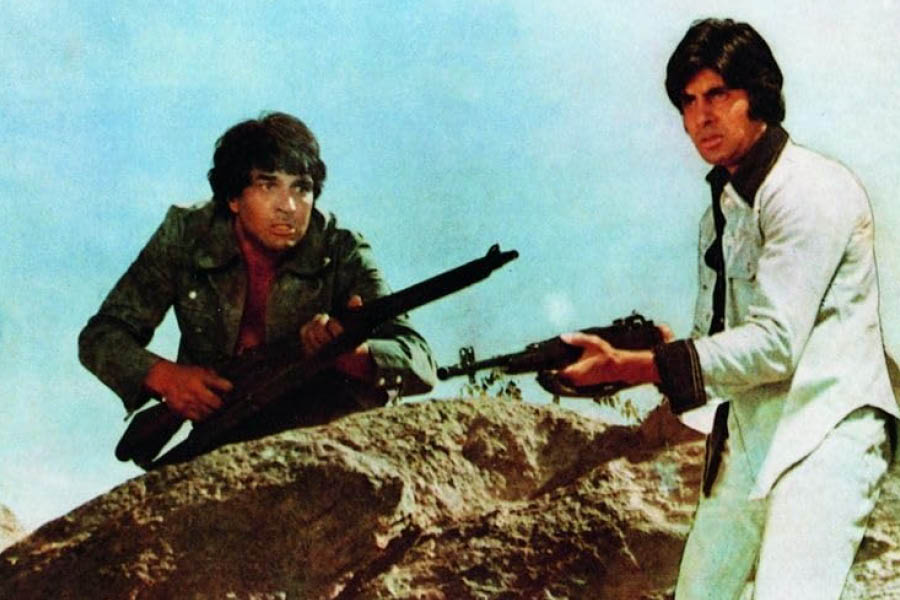
Sholay (1975):
Undeniably the biggest hit of his career, directed by Ramesh Sippy, in the role of the happy-go-lucky, yet fighting fit Veeru, his chemistry with Amitabh Bachchan (Jai) and Hema Malini (Basanti) is legendary. The “suicide” scene atop the water tank remains one of Bollywood’s most iconic comedic moments.
Dharam Veer (1977):
A blockbuster directed by Manmohan Desai, it cemented his image as the tough hero of the masses. His gladiatorial look and bond with Jeetendra drew the audiences to the costuma drama, not a genre he usually worked in.
Hukumat (1987):
This film marked Dharmendra’s massive comeback in the late 80s, after a few generic action movies. It was the highest-grossing film of 1987, leaving behind films by younger stars. This Anil Sharma film proved that his action avatar still had immense pull in single-screen theatres.
The death of Dharmendra marks the end of an era, of a star who blended strength with vulnerability, and made sincerity his signature, writes Deepa Gahlot
Had he lived, Dharmendra would have completed 90 years. A long and blessed life of a star and man who was known for his warmth and generosity. Also, a body of work that was so varied and so full of landmark films, that it looked as if luck was always with him and the acting muse always kind.
He was never trained in acting, but had staggering good looks on his side, an appealing voice and an inborn talent that directors like Hrishikesh Mukherjee, Basu Chatterjee and Vijay Anand were able to tap.
His approach was instinctive—he went with a sincerity of expressing emotions, rather than a studied or prepared method. In spite of being given labels like He Man and Garam Dharam, he was never afraid of showing vulnerability or shedding tears on screen. It was said that Dharmendra could not cry and would not dance, but it has to be admitted that when he did, it was honest and spontaneous.
At a time when bound scripts were not a norm, and dialogue was often written on the set, Dharmendra sometimes took a film because the producer was a friend or was in need, but he also trusted his judgment and put faith in the director.
He is better known for his action films, and later, comedies, but there were films in which he played softer characters, and did not care what impact those roles would have on his career—he never known to be calculative. His romantic aura depended on his natural, old school charm and inherent simplicity. He had a quality of elevating his co-stars rather than overshadowing them, which is why no other male stars objected to working with him; they were sure in the knowledge that he would not deliberately steal a scene or have their good scenes cut. Long before “chemistry” became an industry term, he embodied it with ease, no matter which leading lady was opposite him.
For his role in Satyakam (1969), widely regarded as his finest dramatic performance, he successfully portrayed an engineer of unyielding moral integrity struggling with corruption. He silently expressed so much in his final deathbed scene without a single line of dialogue, demonstrating immense control over subtle dramatic expression under director Hrishikesh Mukherjee. It’s a pity no other director saw what he was capable of, when given a director’s guidance.
Image Courtesy: The Telegraph
Caption: In Satyakam
Without seeming to make an effort he managed a synthesis of both macho physicality and tenderness, rural grit and urban charm, an innate seriousness when required and easy-going light-heartedness when the film needed it. This sincerity and adaptability allowed him to move easily between genres.
While Dharmendra is universally loved for Sholay and Chupke Chupke, the films that truly highlight his range and depth are often overlooked, probably because talent was eclipsed by his physical appeal and massive star status.
Here are some of Dharmendra’s most critically acclaimed and truly underrated roles:
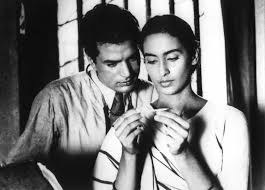
Bandini (1963):
In Bimal Roy’s film he played a supporting but crucial role as a sympathetic prison doctor, Devendra, who falls in love with the convict (Nutan). Though her role was the central one, he held his own in this classic, demonstrating his grounding as a serious performer.
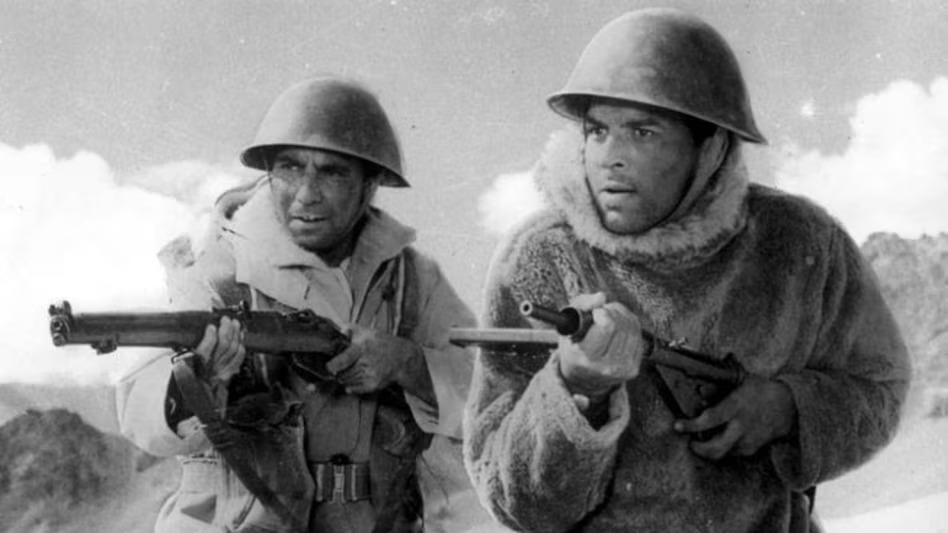
Haqeeqat (1964):
In Chetan Anand’s multi-starrer war epic, he played Captain Bahadur Singh and delivered a poignant, powerful performance as a courageous captain facing overwhelming odds. It is a grim, moving film that established his early dramatic prowess.
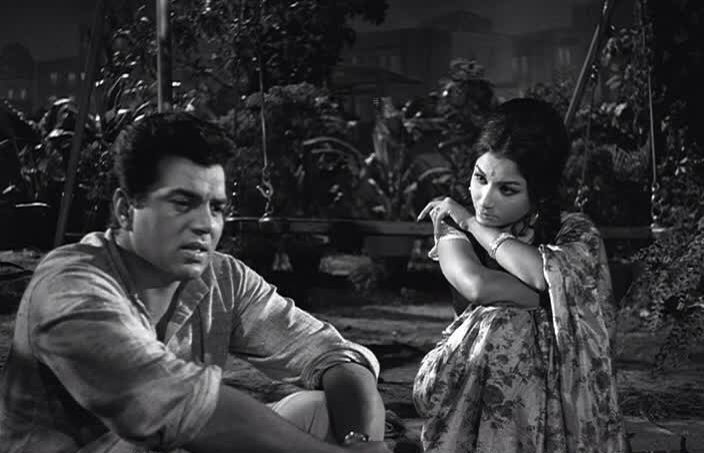
Anupama (1966):
Hrishikesh Mukherjee directed him in this subtle, sensitive drama is a masterpiece of subtlety in the role of Ashok, a gentle, soft-spoken writer and teacher who helps the introverted, neglected protagonist (Sharmila Tagore) find her voice. It’s a role of immense emotional intelligence and tenderness, proving his mastery of sensitive romance.
Satyakam (1969):
The role of Satyapriya Acharya in this Hrishikesh Mukherjee film, is universally considered Dharmendra’s finest performance. He plays an intensely idealistic, morally upright man who struggles to maintain his truth and honesty in a post-independence India rife with corruption. The role is subtle, complex, and emotionally draining, showing a dramatic depth far beyond his popular image.
Yakeen (1969):
A difficult dual role as the honest scientist, Rajesh Varma, and his sinister look-alike imposter, Garson in this espionage thriller, directed by Brij, that was ahead of its time. Dharmendra showed great technical skill in shifting convincingly between the two contrasting characters, a performance often overlooked.
Jeevan Mrityu (1970):
In the role of Ashok Tandon, an honest bank employee, who is framed and returns under a new identity seeking revenge, in the film directed by Satyen Bose, showed a brooding intensity from Dharmendra that was different from his usual invincible hero persona.
Sharafat (1970):
Dharmendra plays a teacher, Rajesh, in Asit Sen’s film, who is distressed by his students frequenting a kotha. He demands that the dancer, Chandni (Hema Malini), refuse entry to the boys. She agrees on the condition that he educates her, so that she can get out of the disreputable profession. He falls in love with her, and complications arise, because his mentor (Ashok Kumar) wants him to marry his daughter.
Naya Zamana (1971):
In Pramod Chakravorty’s social drama, he played Anoop, an idealistic writer, who falls in love with an heiress (Hema Malini). Her brother (Pran) steals Anoop’s novel and tries to destroy the basti where he lives, but the writer fights back.
Blackmail (1973):
Vijay Anand cast him in the role of an engineer, Kailash Gupta, in this tightly-scripted, stylish suspense thriller that had his most iconic songs- Pal Pal Dil Ke Paas Tum Rehti Ho. He played a man who suspects that his wife (Rakhee) is cheating on him, and delves into the plot to acquire a scientific secret from him, by blackmailing her. He was compelling in the lead role, which was an unusual one for him.
Dillagi (1978) :
Directed by the master of middle-cinema, Basu Chatterjee, this romantic comedy had Dharmendra shed his action hero avatar completely. He plays a charming Sanskrit professor called Swarna Kamal, who schemes to woo a stern chemistry teacher (Hema Malini). Amazingly, his look was nerdy and his comic timing on point.
Box:Lesser Known Facets of Dharmendra
A large part of Dharmendra’s career was during the phase when gossip magazines and fanzines were the only way of getting information about stars. So a lot of gossip about Dharmendra was common knowledge—true or false was always gauged later. In spite of being written about so much, he led a mostly private life, but was known to be gregarious at functions and friendly with co-stars.
Still, a few interesting facts about the star:
He was born Dharam Singh Deol in the village of Nasrali, Punjab. His deep emotional connection to his ancestral village remained strong, and the doors of his home were always open to anyone from his village.
The son of a school headmaster, he decided to join the film industry after he watched the Dilip Kumar starrer Shaheed (1948) in a theatre.
Caption: On the left, with the finalists of – Filmfare New Talent Contest in 1958
His entry into Bollywood was not because of connections in the industry but by winning the Filmfare New Talent Contest in 1958.
When he first came to Mumbai, his only major goal was “one flat and one Fiat (car)!”
In his struggling days, he lived in a garage with other aspirants.
The payment for debut film, Dil Bhi Tera Hum Bhi Tere (1960), was reportedly ₹51.
It was rumoured back then, that he had a close relationship with Meena Kumari, which he denied.
He famously turned down Zanjeer (1973), which went on to define Amitabh Bachchan’s Angry Young Man persona.
Despite his “He-Man” action hero image, Hrishikesh Mukherjee considered him an incredibly versatile and underrated actor.
In 1987, he gave seven box office hits, then an unmatched feat.
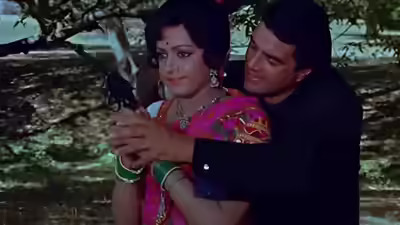
It was reported that during the shooting of Sholay (1975), he allegedly paid the light-boys ₹20 per take to purposely fudge the shot, where he was teaching Hema Malini how to shoot with a revolver, so he could stay close to her for longer.
He chased gossip columnist Devyani Chaubal, and almost hit her, when she wrote something nasty about him and Hema Malini
His popularity allowed him to live down the scandal of reportedly converting to Islam and changing his name to Dilawar Khan, to marry Hema Malini, when he was already married to Prakash Kaur, the mother of his four children.
He had invested in a Garam Dharam restaurant chain in north India
He launched his production company Vijayta Films to launch the careers of his sons Sunny and Bobby. The two daughters were seldom seen in public.
He had an interest in Urdu poetry (Shayari), which he wrote and shared on social media, often filmed at his farmhouse near Lonavala
His favourite term of endearment for those he liked—male or female—was darling.
You make your life, nature has done its job of giving you a chance, advises Nagesh Alai
As 2025 turns the corner to oblivion and 2026 welcomes us to realms of possibilities, we will be prone to reminisce about our hits and misses in the year gone by and a heightened sense of anticipation about the incoming year. The pervasive resolutions that hall mark this time of transition, birth out of an acute sense of introspection and realisation of ‘what if’ and ‘what could be’.
Personally speaking, I had given up making resolutions years ago, not because I do not have a resolve or intent to be a better version of myself or do things betters, but quite simply because of my poor score card on the twelve months’ of trying to live by those resolutions. Resolutions, by definition, are peremptory while our responses may be reactionary depending on the situation and our state of mind at the moment. Very often, I weed out the unimportant and focus on the urgent that will make a difference to me and act on them, resolution or not. While this may be some kind of self-justification and appealing to me personally, but not universally, there is no doubt that resolutions do serve as a lighthouse for us to land plodding, if not running, in the daily roads of our walks in life. The needle of resolutions does move somewhere in the recess of our minds and perk us up.
With this context and awareness of resolutions, a random, but doable, simple list of 26 dos and don’ts could be the following:
Love thyself – 8 hours sleep, 8 hours work and 8 hours for other needs
Know your family, friends and foes
Be discreet how and with whom you spend your time; its precious and limited
Love whatever you do, if not don’t waste your time
Attune your body clock to early mornings, the most calming time of the day
Meditate daily, introspect daily. It will be a struggle, but will aid self-discovery
Go for a walk daily – a minimum of 30 minutes, maximum of 60 minutes
Do weights – at least thrice a week. It is necessary to build muscle strength
Take a plunge in a sea, river, lake or a pool – for differentiated experiences
Go on nature trails and treks – easy or arduous dependingn what suits you
Visiting a religious place regularly could be soothing to the soul
12. Pause for a while before taking any decision. Collect your thoughts, don’t rush
13. Any choice that you exercise means a rejection of some other – weigh carefully
14. Don’t fret if you are not invited. But don’t miss if you are invited
15. Anger is poison, retaining it is suicide. Get a grip on it
16. Don’t opine unless asked for
17. Trust your body, but go for periodic health check up and take proactive care
18. Avoid a fall, tread carefully – metaphorically and realistically
19. Don’t stretch your resources, be mindful of your needs, ignore the wants; temper consumption of anything
20. Save before you spend, not the other way
21. Invite your friends to your home or a club, host a get together. Stay connected
22. Give up the inimical like cigarettes etc. Why let your life go up in smoke?
23. Read a book – at least two in a month. It will be enjoyable and energising
24. Travel as often as you can. Get to know people and cultures and diversities
25. Digital detox is a must. Figure out a way that suits you. Don’t put it off
26. Detachment, solitude are good; but aloofness is not. Have a healthy balance
Tougher the resolutions, more challenging would be the implementation. Hence the list has been consciously kept simple and achievable. Each of the elements in it, singularly and collectively, would be transformative to our body, mind and soul and contribute to a meaningful and joyous life.
Try it out and see where it takes you in the next 365 days. You may add or amend the list based on your approach. But make it a routine, make it a habit, make it consistent and you cannot but be benefitting out of it. If at the end of 2026 you do not see a change in your life and living, it can only mean that you have not tried hard enough or have been less than resolute or have discarded it the moment you got out of your celebratory inebriation.
But don’t fret, get back to the drawing board and start all over again. For with every passing year of non-success, the prospective years will only get lesser and time you out. You make your life, nature has done its job of giving you a chance.
Reheating rice carelessly can sometimes lead to an upset stomach or even serious food poisoning. Follow these simple guidelines to avoid arisk of a tummy bug writes, Nithin Reddy
Rice is part of daily life in most Indian homes. Whether it is the fresh aroma of steamed rice, a comforting plate of curd rice, leftover masala rice from lunch, or biryani stored for later, many of us keep cooked rice in the fridge to enjoy another day. It feels harmless and familiar. Yet, what many people do not realise is that reheating rice carelessly can sometimes lead to an upset stomach or even serious food poisoning.
This is especially important for older adults, since our digestive systems become more sensitive with age. A little extra care can help you enjoy your favourite rice preparations without worry.
Why Rice Can Be Risky When Reheated Incorrectly Rice does not look dangerous, and compared with raw meat or seafood it seems perfectly safe. The issue lies in a bacterium called Bacillus cereus, which is commonly found in soil. Its spores can survive the cooking process. If rice is left out for too long after cooking, these spores can grow and produce toxins. Once these toxins form, reheating the rice does not destroy them, even if the rice becomes very hot.
This is why poor storage, not poor reheating, is usually the real cause of rice-related food poisoning.
Symptoms to Watch Out For If rice has gone bad, symptoms usually appear quickly, sometimes within just a few hours. They include: • nausea • vomiting • stomach cramps • diarrhoea
The illness usually settles within a day, but senior citizens, children, and those with weaker immunity may feel uncomfortable for longer and may need medical attention if symptoms persist.
Safe Storage: The Most Important Step The key to safe reheating actually lies in how the rice is stored. In India, it is common to leave cooked rice on the kitchen counter for some time. However, this is exactly when bacteria multiply.
Follow these simple rules:
Cool It Quickly After the rice is cooked, cool it as fast as possible within one hour. Spread it on a wide plate or shallow dish so the heat escapes faster. Avoid keeping hot rice in a large vessel for long.
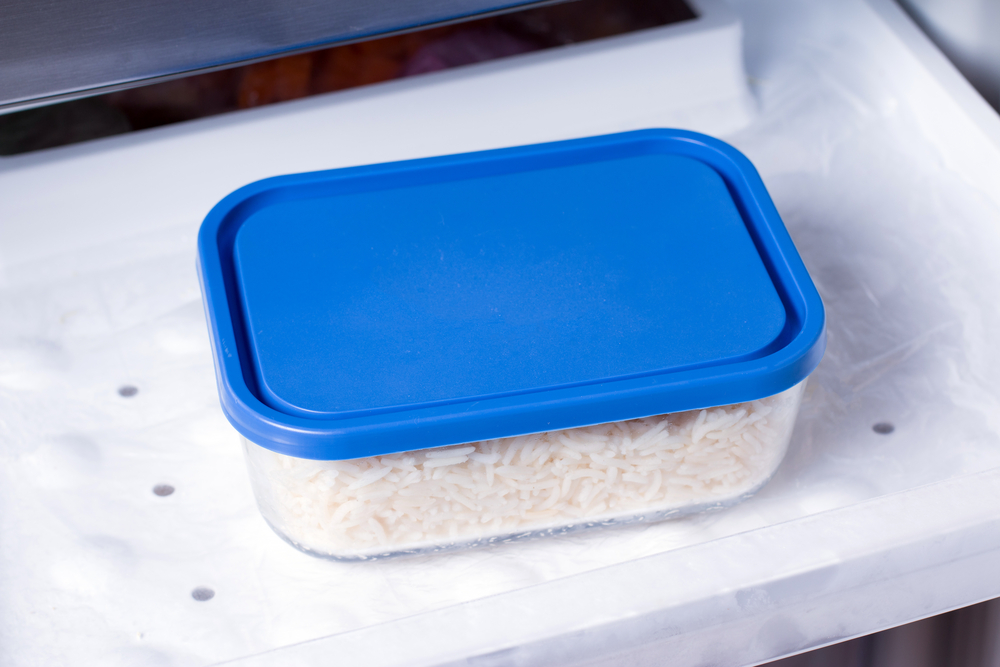
Refrigerate Promptly Once the rice has cooled, transfer it to an airtight container and place it in the fridge. Do not leave it on the counter for hours, even during cooler seasons.
Use Within 24 Hours Although some people keep rice for two days, it is safest to eat refrigerated rice within a day.
Best Ways to Reheat Rice Safely
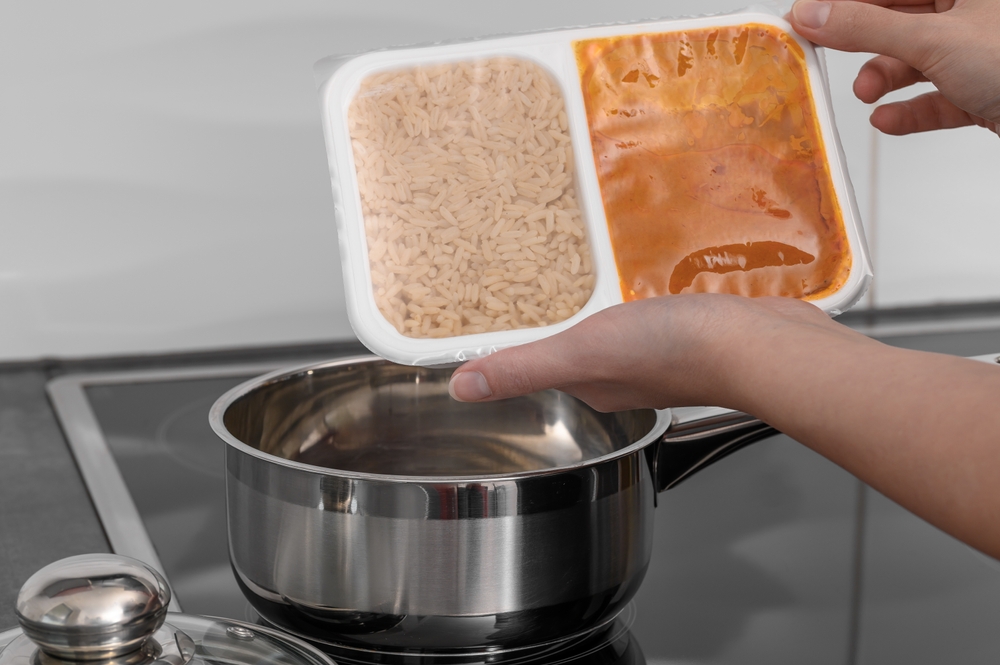
On the Stove • Put the rice in a pan and sprinkle a few tablespoons of water. • Cover with a lid. • Heat on a low to medium flame, stirring occasionally.
The added water creates steam, which warms the rice evenly and prevents it from becoming dry or burnt.
In the Microwave • Place the rice in a microwave-safe bowl. • Add a splash of water and cover with a microwave-safe lid or damp kitchen towel. • Heat for one to three minutes depending on the quantity, stirring once.
Always ensure the rice is steaming hot all the way through. Microwaves heat unevenly, so stirring is essential.
In a Steamer or Rice Cooker If your steamer or rice cooker has a reheat option, this works well. • Add a little water. • Steam for five to ten minutes.
This method helps maintain the soft texture we enjoy in Indian cooking.
Important Safety Tips These are simple but vital:
DO:
Reheat Only Once Do not keep warming the same rice repeatedly. Reheat only the portion you plan to eat.
Ensure It Is Piping Hot The rice should be steaming throughout, not just on the surface.
Keep Fresh and Old Rice Separate Mixing freshly cooked rice with old rice can spoil the new batch.
Throw Away Rice Left Out for Over Two Hours Even if it looks or smells fine, it may not be safe. The harmful toxins cannot be seen or tasted.
Common Myths About Reheating Rice
DON’TS:
“If I microwave it, it becomes safe.” Microwaving does not destroy toxins already formed in the rice.
“Cold rice is fine because I will fry it later.” Fried rice is delicious, but only if the cold rice was stored properly in the first place. Leftover rice kept out overnight should never be used.
A Helpful Habit is to Cook Smaller Quantities Rather than storing large amounts of leftover rice, consider cooking smaller portions. Modern electric cookers make this easy. Freshly cooked rice is always safest, especially for senior citizens.
Rice is an essential part of our Indian meals and brings comfort to the table every day. With just a bit of care while storing and reheating, you can continue enjoying your favourite dishes without worrying about a tummy bug. A few simple habits protect your health and allow you to savour each meal with confidence and ease.
Dr Monika M Dass advises, thisDe-cember: de-clutter, de-tach, de-lete
Reflecting on the past year involves looking back at your experiences, accomplishments, and challenges to gain a better understanding of your journey and set intentions for the future. To do this, find a quiet space to journal your thoughts, acknowledge both highs and lows, and identify areas of growth. It is also helpful to practice gratitude and to consider the people who have been important to you over the year.
Steps for reflection:
Create a safe and quiet space: Find a calm place where you can be undisturbed to focus on your thoughts.
Document your experiences: Journaling is a great way to capture your thoughts, feelings, and memories from the year. You can also use other methods like creating a memory box or voice memos.
Analyse your year:
List your accomplishments: Acknowledge what you have achieved, no matter how small.
Review challenges: Look at the difficulties you faced and what you learned from them.
Assess your relationships: Think about how your connections with others have evolved and what you want to cultivate in the coming year.
Practice gratitude: Make a list of things you are thankful for from the past year. Gratitude is an important exercise; the more grateful you are, the happier you are… and things unfold the way it should… so practice this regularly… you will find many happy changes coming through in your life.
What am I most and least proud of? Often, we feel proud when something is important to us and we have worked hard at it; whether it be spending quality time with our children and grandchildren, finishing an important project or taking our fitness to a new level. Writing down your biggest achievement is a good indicator of your values and what matters to you. The opposite can also be true. Our least proud moments can shine a light on the areas in which we do not feel we have lived true to our values. While uncomfortable, reflecting on these moments can uncover some great clues on how you want to be in the coming year.
How did I surprise myself this year? Life has a habit of showing us just how capable we are. Whether it be need or desire that is driving us, often we can surprise ourselves when we dig deep. In what way did you step up this year, to overcome a challenge, support someone or achieve a goal you set out for? Perhaps your experiences this year helped you discover something new and interesting about yourself. Write it all down.
Where did I waste the most time? For many of us, time is a rare and precious commodity. Whittling away hours each week on something fruitless may have taken you away from achieving more this year. It may have distracted you from your goals or left you with less energy to direct towards the people you care about. Take a step back and acknowledge the precious hours you lost doing something that did not serve you this year.
Who should I have spent more time/less time with? Is there someone in your life that lights you up? Could you have set more time aside to spend with your nearest and dearest? Or perhaps there is someone in your life that tends to have a negative influence on you. Doing an ‘audit’ of the people you have spent time with can help you set your intentions for the year ahead and make plans to spend more (or less) time with those around you.
What was the best and worst use of my money? As humans, often we do not like to admit when we have made bad money choices. No matter how careful we are with the purchases we make, some just were not worth the money. Did you make a large purchase that you regret, or did you dip into savings when you should not have? On the flipside, is there something you invested in that was beneficial? Perhaps you hired a cleaner and it gave you back your Saturday mornings? Maybe you directed some surplus cash into super, or maybe buying a coffee machine saved you countless café-bought coffees. Large or small, often we make money choices that really make a difference.
Future Intentions:
What is the single most important thing I want to accomplish next year? Reflecting on your answers above, and your own desires for the coming year, reflect on the one thing that you believe will make a real, tangible difference to your life. Write down your number one goal, and brainstorm all the things that you can do to get closer and closer to it throughout the year.
If I had the time again, what do I wish I had done differently? A brand new year can be a time to reset. To wipe the slate clean and start afresh. If you are harbouring any regrets from the past twelve months, call them out and make a commitment to do things differently next year.
Set future intentions: Based on your reflections, set goals or guiding principles for the new year, which can be more flexible and less daunting than rigid resolutions.
We are all prone to common habits and hidden challenges that appear with age. Here’s how to overcome them, writes Tina Vora
Ageing brings wisdom, freedom, and a deeper appreciation for life. But it can also bring changes we don’t expect — habits and challenges that slowly distance us from others, make daily life harder, and sometimes leave us feeling isolated. The surprising thing is that most older adults don’t even realise it’s happening.
Small changes in attitude, behaviour, or health can quietly affect relationships and happiness. But once you recognise these patterns, you can change them — and reconnect with life more fully.
Let’s look at some common habits and hidden challenges that appear with age — and how to overcome them with grace, confidence, and a smile.
Becoming Too Negative or Critical
Many people believe they’re just being “honest” or “realistic,” but constant complaining or criticism drains the people around you. Whether it’s about aches, politics, or how “things were better before,” negativity pushes others away.
What to do: Start each conversation with something positive. Practise gratitude daily — even simple joys like a nice cup of tea or a sunny morning. When you feel the urge to complain, pause and ask yourself, “Is this helpful?” Shifting focus to curiosity and appreciation makes conversations warmer and more enjoyable.
Forgetting Names and Details
It’s embarrassing to meet someone familiar and forget their name, but it happens to almost everyone as they age. It doesn’t mean you’re losing your mind — just that the brain needs a little help.
Try this: Write down names or key details about people you meet. Keep a small notebook or use your phone to store reminders. And don’t hesitate to ask again if you forget — most people understand completely.
Ignoring Personal Appearance and Hygiene
Many seniors stop dressing up or visiting the hairdresser, thinking it doesn’t matter anymore. But how you present yourself affects how you feel and how others respond to you. Taking pride in your appearance isn’t vanity — it’s self-respect.
Simple tips: Get dressed properly each day, even if you’re staying home. Keep your grooming routine. Choose colours that lift your mood. A clean outfit or a light perfume can boost confidence and brighten your day.
Dealing with Sudden Exhaustion
Tasks that once seemed effortless — cooking, walking, or climbing stairs — may suddenly feel tiring. This can be frustrating, but it’s part of the body’s natural rhythm.
How to manage it: Pace yourself. Break chores into smaller parts and rest when needed. Drink enough water and eat balanced meals rich in fruits, vegetables, and grains. Listen to your body — it’s wiser than you think.
Becoming Stubborn or Resistant to Change
It’s easy to feel that the “old ways” were better, but resisting change — especially with technology — can lead to loneliness. Family and friends often connect online now, and refusing to adapt may leave you out of the loop.
How to change: Say “I’ll try” instead of “I don’t need that.” Ask a grandchild or neighbour to show you how to use WhatsApp, video calls, or social media. These small steps open doors to connection.
Loneliness and Isolation
As years pass, friends may move away or pass on, and social circles naturally shrink. Without regular contact, even the most cheerful person can feel lonely.
Ways to reconnect: Join community or senior groups. Take part in classes, clubs, or volunteering. Stay in touch with family by phone or video calls. Social contact keeps the mind sharp and the heart warm.
Hoarding and Clutter
Holding on to old belongings can feel comforting, but too much clutter fills your space and your mind. A crowded home can make it harder to move around and can even affect mood.
How to simplify: Start small — one drawer or shelf at a time. Ask, “Do I really use this? Does it make me happy?” Donate what you no longer need. A tidy home brings peace and freedom.
Sudden Weight Gain and Health Worries
Many older adults notice weight gain even when their routine hasn’t changed. Slower metabolism and less activity are normal with age.
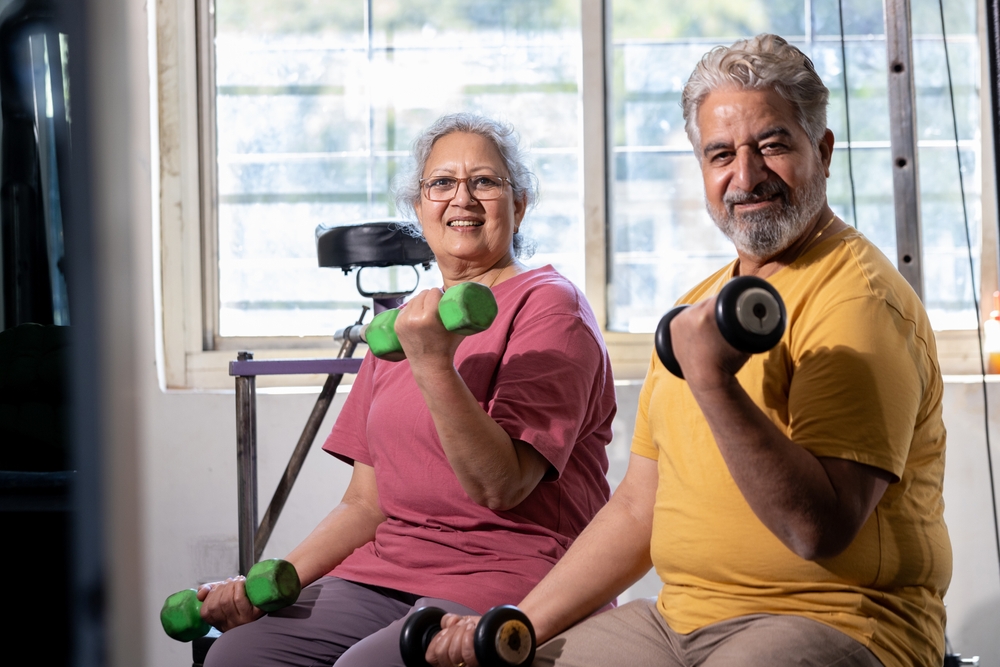
Solutions: Control portion sizes, eat nutritious food, and include short walks or gentle exercises daily. Strength training — even with light weights — helps maintain muscle. And don’t skip regular health check-ups; prevention is always better than cure.
Over-Talking and Not Listening
Sometimes we talk more than we listen, especially when we live alone. But good conversation is a two-way street. When others feel unheard, they may slowly stop reaching out.
Try this: Pause during chats. Ask questions and show interest in the other person’s life. Listen fully before replying. You’ll find people opening up to you again — and your relationships becoming richer.
Losing Patience and Getting Irritable
With age, patience can wear thin. Slow cashiers, noisy neighbours, or traffic can suddenly feel unbearable. But anger raises stress and strains relationships.
To stay calm: Take a deep breath before reacting. Remind yourself that everyone has challenges. Replace irritation with kindness. A gentle word or a smile can turn tension into warmth.
Difficulty Concentrating or Sleeping
Many seniors struggle to focus while reading or find their sleep interrupted. This is common, but manageable.
Improve concentration: Engage your brain with puzzles, games, or new hobbies. Learn something new — perhaps a language, painting, or gardening.
Sleep better: Stick to a fixed bedtime, avoid caffeine in the evening, and keep your room cool and dark. If sleeplessness continues, consult your doctor — good sleep is essential to well-being.
Changes in Vision, Hearing, and Mobility
You might notice that your eyesight isn’t as sharp or that climbing stairs feels harder. These changes can be discouraging, but help is available.
Helpful habits: Schedule regular eye and hearing tests. Update glasses or hearing aids if needed. Try gentle stretches, yoga, or walking to maintain mobility. Remember — movement keeps you independent.
Being Too Frugal to Enjoy Life
Many older people save carefully all their lives but hesitate to spend on things that bring joy — a trip, a concert, or a nice meal out. But money is a tool for living, not just for saving.
A new approach: Create a small “joy fund” for simple pleasures. Treat yourself occasionally. Shared experiences and memories are worth more than untouched savings.
Holding on to Regrets or Grudges
It’s easy to replay past hurts or missed chances, but dwelling on them steals peace from the present.
How to heal: Forgive others for your own sake. Write down regrets and let them go. Focus on what’s good now — time with family, hobbies, or quiet moments. Forgiveness lightens both heart and mind.
Losing Confidence or Independence
Accepting help can feel uncomfortable when you’ve been independent all your life. But asking for assistance doesn’t make you weak — it builds connection.
New mindset: Say “thank you” when someone offers help. Share tasks instead of doing everything alone. True independence isn’t doing everything yourself — it’s continuing to live fully, even with support.
Forgetting to Laugh and Have Fun
Routine can quietly dull your days. But laughter really is medicine — it reduces stress, boosts health, and keeps you young at heart.
Bring joy back: Watch a comedy, share jokes with friends, play games, or spend time with people who make you smile. Joy doesn’t appear by itself — you have to invite it in.
Ageing is inevitable — but loneliness, frustration, or bitterness are not. Small habits can either close us off or open us up to new connections and joy.
When you choose gratitude instead of complaint, curiosity instead of stubbornness, and laughter instead of regret, life feels lighter — and people are naturally drawn to you.
Age may change your body, but it doesn’t have to dim your spirit. Keep learning, laughing, and loving — and you’ll find that growing older can be one of the most beautiful chapters of your life.
On 13 Dec, 2025, Seniors Today hosted their weekly Health Live Webinar with a Senior Gastroenterologist, Dr Vinay Dhir who spoke on and answered questions about When Constipation is a Warning Sign: Red Flags and Diagnosis
Dr Vinay Dhir is Director, Department of Gastroenterology, at the SL Raheja Hospital (A Fortis Associate), Mumbai. He has over 3 decades of experience, specialising in interventional endoscopy. He has authored several highly cited publications in international medical journals and has been invited as faculty at numerous international courses focused on interventional endoscopy. In addition to his clinical and academic contributions he’s been very actively involved in advancing endoscopic intervention in India. He played a key role in establishing a school dedicated to endoscopic ultrasound and has been engaged in promoting structured teaching and training programmes in the field. He is currently associated with the SL Raheja Hospital (A Fortis Associate), Mumbai.
We are all happy and comfortable if we make a motion, preferably soon after we wake up. However, constipation, unfortunately, is not very uncommon.
The definition of constipation varies.
Commonly it is thought that you’re constipated if you’re not passing stools everyday.
The consistency of the stools is hard, causing you to strain while passing them.
You can also be constipated if you are passing stools everyday but you still feel like you haven’t cleaned your bowels.
In very difficult cases of constipation, there may arise the need for manual removal of stools.
A variety of these symptoms can constitute constipation. Having constipation for 4-5 days is not uncommon, but if the problem lasts longer (lasting for months) and is reoccurring, it is chronic constipation.
Chronic constipation is problematic and requires treatment.
The Bristol Stool chart helps classify the stools based on their colour, appearance, consistency. If your stools appear to between type1 to type 3, you have constipation.
These are hard stools and difficult to pass.
In India, more than 1 in 4 adults suffers from constipation, making it a very common problem.
It is more common in women
Constipation is more common over the age of 65 years.
Approximately 28% of people suffer from constipation in India.
The causes for constipation can be many. Some of the causes are:
The cause for constipation is usually idiopathic. This is called primary constipation and is caused due to transient problems.
Irritable bowel syndrome is accompanied with the complaint of constipation.
Pelvic floor dysfunction
It is the secondary causes of constipation that are worrisome. Constipation can be secondary to:
Ano rectal disease- piles, fissures, polyps
Colonic diseases such as colonic polyps, cancer of the colon, diverticulitis
Neurological illnesses
Endocrine diseases
Multiple medication
Many drugs cause constipation as a side effect. Some of which are in the class of anti depressants, anti psychotics, antacids, anti hypertensive.
It is general knowledge that constipation is due to an issue in the colon- part of the large intestine where the stool is stored and eventually passed out through the anus. We believe that the gut movement is slow.
However, studies show that almost 60% of people who have constipation have a normal transit of the colon. Which means that majority of cases of constipation do not have slow transit. In fact, only 13% of the cases will have constipation due to the slow movement from the colon.
It is more commonly due to the normal transit to rectum but ineffective evacuation. Causing collection of the stools in the rectum without it getting evacuated.
Gut transit is an important part of constipation.
Normal transit constipation is also called functional constipation wherein the stool is moving normally, the frequency is normal, however the patient feels constipated. This is either because complete evacuation is not possible or the stool has become hard.
Along with this, there may also be bloating, abdominal pain, discomfort.
If you are suffering from constipation, consult with your gastroenterologist and have it evaluated. Mostly not many investigations are needed.
Treatment also includes simple modalities such as:
Lifestyle modifications
Dietary intake of fibre
Plenty of oral fluids
Laxative can be added for a brief while
Normal transit constipation is normal and easy to treat.
Slow transit constipation requires further investigation- including making you take radiopaque markers followed by consecutive x ray films which see how many markers you have passed over a period of 72 hours.
It is slightly more difficult to treat. It is more commonly seen in patient suffering from other neurological diseases such as paralysis, neuromuscular disorders.
Improper expulsion of stools from the rectum constitutes a very common but rather difficult to diagnose this form of constipation. This is called pelvic dysynergia.
It can be very effectively treated.
You can have ano rectal fissure, rectocoele, dysynergia.
Symptoms of defecatory disorders include:
Long duration of sitting while passing stools
Unsatisfactory expulsion of stools
Heaviness in lower abdomen
Straining while passing stools
Unusual posture while passing stools
Correct/ ideal toilet posture:
The position we sit in in an Indian commode is an ideal position.
The position we sit on the western commode is not ideal.
In an ideal position, your knees need to be higher than your hips, lean forward and place your elbows on your knees, bulge your abdomen and straighten your spine.
When you’re using a western commode and you are suffering from constipation, use a footrest so your knees are above your hip.
Even small shifts in your daily routine can bring surprising results, writes Udai Mathur
As we age, maintaining a healthy weight becomes less about appearance and more about comfort, mobility, and overall well-being. Weight loss does not need fancy diets or expensive supplements. What helps most is steady, thoughtful change and a lifestyle that suits our Indian habits, food preferences, and daily routines. Here are 20 safe and sensible ways to manage your weight while feeling healthier and more energetic.
Choose Healthier Snacks Instead of biscuits, namkeen, or mithai, try snacks that fill you without adding unnecessary calories. You can have Greek yoghurt or dahi with fruit, a handful of almonds, a boiled egg, roasted chana, or sliced cucumber with a little homemade hummus. These keep you satisfied for longer.
Reduce Processed and Packaged Foods Many packaged snacks found in supermarkets contain too much sugar, salt, and unhealthy fats. Choose natural foods like fresh fruits, vegetables, dals, rotis made at home, whole grains, and lean meats. They nourish the body better and reduce the risk of lifestyle diseases.
Increase Your Protein Intake Protein keeps you full and supports muscle strength. Indian diets often depend heavily on carbs, so add more protein through eggs, paneer, dahi, dals, chole, rajma, tofu, or grilled chicken.
Cut Down on Added Sugars Too much sugar leads to weight gain and high blood sugar. Try to reduce sweet tea, soft drinks, halwa, packaged biscuits, and sugary sauces. If needed, use small quantities of jaggery or dates.
5. Enjoy Black Coffee or Tea Sensibly A cup of black coffee or plain tea without sugar can gently boost your metabolism. Have it during the day, but avoid late evenings so it does not disturb your sleep.
Drink Plenty of Water Many of us forget to drink enough water, especially in winter. Keep a bottle near you and sip frequently. Begin your day with warm water and drink a glass before meals. This helps with portion control and digestion.
Reduce Refined Carbohydrates Foods made from maida, such as white bread, samosas, naan, and bakery items, can cause sudden spikes in energy followed by fatigue. Replace them with whole wheat rotis, brown rice, millets like ragi or jowar, and other whole grains.
Understand Intermittent Fasting in Simple Terms Some people prefer eating all their meals within a fixed part of the day. For example, having breakfast at 9 am and finishing dinner by 7 pm. This gives your body a natural break from constant eating. If you have diabetes, heart conditions, or take medication, please consult your doctor before trying this.
Be Aware of How Much You Eat You do not need to count every calorie. Simply noting down what you eat in a small diary or on your phone for a few days can help you understand your habits and make better choices.
Manage Stress Gently Stress can make us reach for comfort foods. Try simple breathing exercises, listening to bhajans or old film songs, taking a walk, spending time with family, or practising light meditation. These help calm the mind.
Brush Your Teeth After Meals A simple but effective way to reduce unnecessary snacking. Once you brush, your mind recognises that your meal is over.
Eat More Fruits and Vegetables Indian markets offer a beautiful variety of fresh produce. From papaya and oranges to lauki, bhindi, and spinach, all are rich in fibre and water. Try making half your plate vegetables at lunch and dinner.
Reduce Carbs Slowly There is no need to give up rice or rotis altogether. Start by reducing the portion slightly and replacing some of the carbohydrate-heavy foods with dals, sprouts, leafy greens, and salads.
Add More Fibre to Your Diet Fibre helps digestion and keeps you feeling full. Include oats, whole grains, flaxseeds, fruits with skin, vegetables, and legumes like chana and rajma.
Stay Active in a Way You Enjoy Movement is vital at any age. A 20 minute walk in the park, cycling on a stationary bike, yoga, or light household chores all help. You do not need intense workouts. The goal is regular activity that feels comfortable.
Use Whey Protein Only If Required If your doctor or nutritionist suggests more protein, whey protein can be added once a day, especially after walking or light exercise. Choose a low sugar variety and mix it with water or milk.
Eat Slowly and Chew Properly We often eat too fast, especially if we are distracted. Sit down, chew well, and enjoy the flavours. This gives your body time to recognise when you are satisfied.
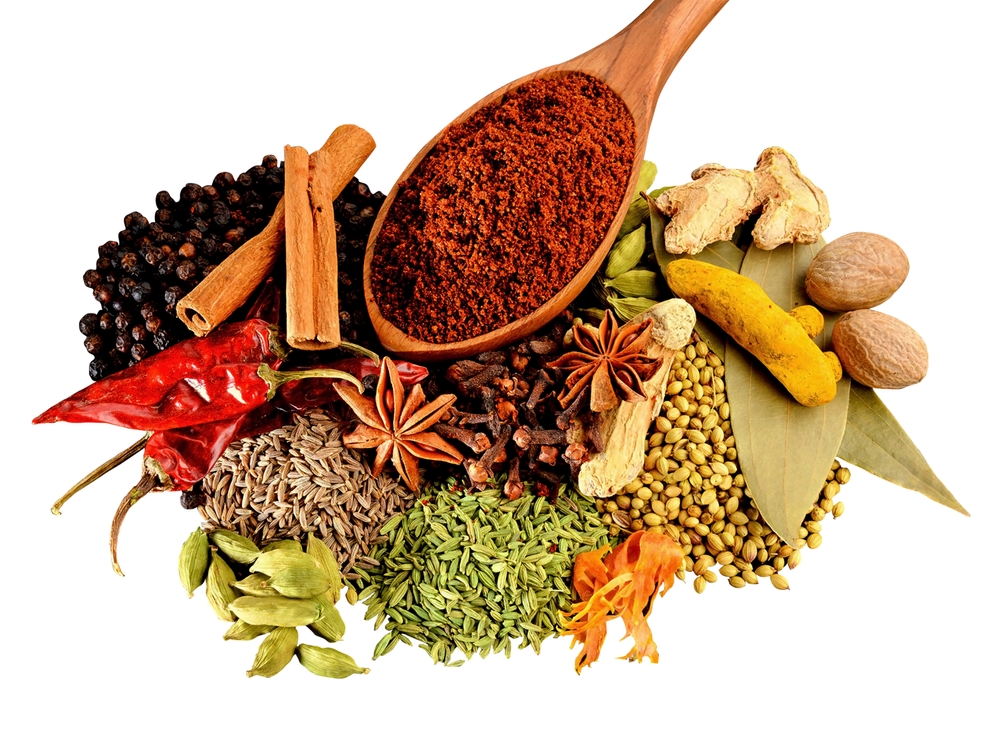
Add Chilli and Spices Indian cooking already uses spices wonderfully. Chilli, turmeric, jeera, and dhania add flavour and may help reduce appetite a little. They make healthy meals more enjoyable.
Sleep Well and Rest Fully Quality sleep is essential for maintaining a healthy appetite and weight. Try to sleep for seven to eight hours. Avoid using your phone or watching TV just before bedtime.
Practise Mindful Eating Switch off the television, put away your phone, and enjoy your meal without distractions. Notice the taste and aroma and stop when you feel pleasantly full, not heavy. This helps prevent overeating.
Improving our health is a gradual journey, especially in our senior years. You do not need dramatic changes to feel better. Even small shifts in your daily routine can bring surprising results. Choose the habits that suit your lifestyle, take joy in the process, and be patient with yourself. Every mindful step you take is a gift to your body and your future well-being.
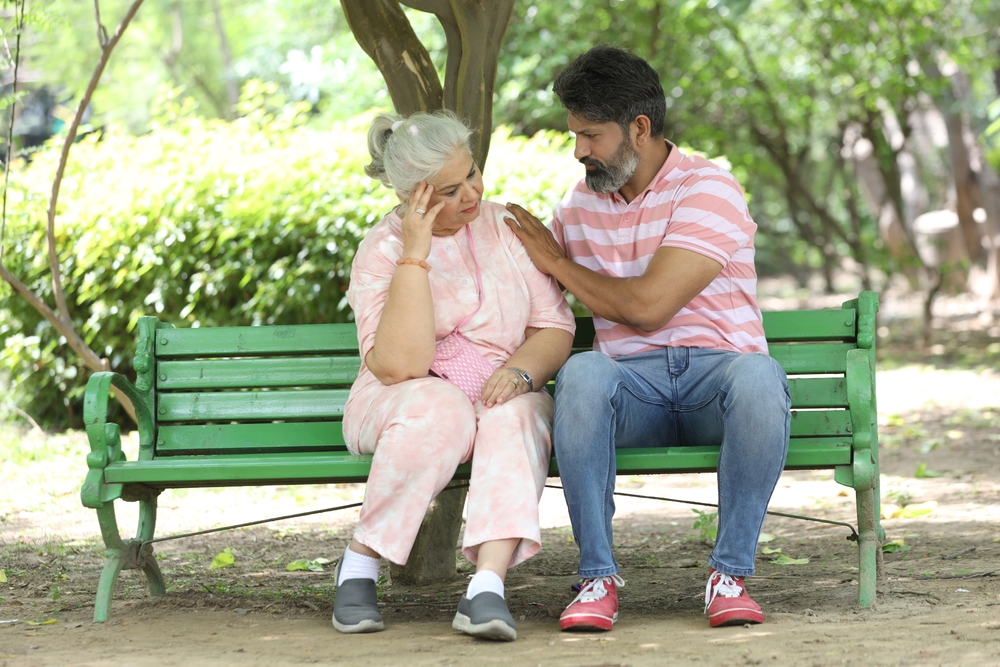
Talking about our end-of-life wishes isn’t about being morbid, writes Vickram Sethi
There are some conversations that sit quietly in the corners of our lives — the ones we tiptoe around, hoping they will somehow never be needed. Talking to our children about our death and our end of life wishes or what should happen when we are no longer here is one such conversation. It’s uncomfortable, heavy. We tell ourselves, not now, not today — we are fine and yet, deep down, we know it’s a conversation that must be had.
In many families, death remains an uninvited guest at the table — a subject brushed away with nervous laughter or an abrupt change of topic. “Why talk about such things?” children say, “You are not going anywhere!” For their generation, such conversations often carry a sense of bad luck, almost as if speaking about death might summon it.
For adult children, the hesitation is different. It’s not superstition — its emotion. The idea of discussing our death feels strangely cruel.
And yet, avoiding these conversations doesn’t protect us. It only delays what will eventually come — and often leaves behind confusion, anxiety, and regret.
Talking about our end-of-life wishes isn’t about being morbid. It’s practical and ensures that when the time comes, our children will hear our voices even though we no longer can speak for ourselves.
There are practical aspects — medical choices, living wills, financial instructions — but beyond the paperwork, it’s also about understanding how we want to be remembered, what gives us peace, and who we trust to make decisions on our behalf.
Often, parents feel that they should have made their wishes clearer to their family at an appropriate time. A son may struggle to decide whether to continue aggressive treatment for his ailing mother. A daughter may feel torn between doctors’ advice and her father’s quiet wish to come home. These moments are made lighter — not heavier — when wishes have been shared openly, long before they’re urgently needed.
There’s no perfect time to begin such a conversation. Waiting for one rarely helps. Often, the opportunity appears quietly — during a family gathering, after a health scare, or while sorting old photographs together. It’s in those unguarded moments, when emotions are gentle and the air feels honest, that the subject can be introduced softly.
You might begin with a story — perhaps of a friend or relative who recently passed away — and say something like, what would you do if something happened to us.
The first conversation rarely covers everything. It might last five minutes or drift away in silence. That’s fine. What matters is planting the seed — making it easy to talk about these things.
How to Begin the Conversation
There’s no perfect script, and that’s okay. What matters is the intention — to convey and to comfort.
Here are a few gentle ways to start:
Use a real event as a starter. A recent illness, a family friend’s passing, can open the door naturally. I want to convey to you what I would like you to do when such a situation may arise.
Talk about love. You could say, “Kids — I know this isn’t easy to talk about, but I love you and want to make sure you understand what’s important for me.”
Keep it practical. Discuss things like wills, medical decisions, or property wishes. Sometimes, starting with the tangible helps ease into the emotional.
Keep it easy. It may not be easy to convey everything at one time but make a start and you will be surprised how easy it is to talk about this later.
When parents begin to open up, the hardest part for children is the emotional discomfort.
Speak gently. Ask questions with care. Give instructions for example, “I don’t want to be kept on machines,” don’t counter argue with medical logic or reassurance. Instead, gently say, these are my wishes.
Sometimes, what parents really want isn’t control, but comfort — the assurance that their children will be all right, that their memories will live on in small rituals, stories, and laughter.
Practical planning might sound cold, but it can be deeply compassionate. Knowing where important documents are, who your doctors are, or what your last wishes might be is a gift of clarity for the entire family. It reduces chaos at a time when emotions will already be running high.
Jot down your wishes in writing — whether it’s a simple letter, a medical directive, or just notes tucked away safely. Help them understand finances or options like organ donation and funeral preferences.
You might also ask about the emotional side of their legacy — what values they hope to pass on, what memories they cherish most. Often, these conversations lead to moments of surprising closeness. Of course, not all seniors are ready. Some beliefs will cross that bridge when we come to it.
Sometimes, actions speak better than words. If you resist discussing your end of life wishes, gently handle the practicalities yourself — keep your documents organised, ensure their health records are updated, Let the names of your doctors be known to family.
In truth, these conversations aren’t just about your mortality. We often think avoiding the subject of death protects our children from fear. But in reality, it’s openness — not silence — that brings peace. These conversations can be tender rather than terrifying, filled with stories, humour, and even gratitude.
Ultimately, talking about death is not about death at all. It’s about love, trust, and the desire to protect each other even when words are running out.
It’s about acknowledging the full circle of life — the laughter, the years, the memories, and yes, the ending too. Because when we can speak openly about the end, we often find new gratitude for what’s still here.
So perhaps the question isn’t just “Have you spoken to your children about your death?” Maybe it’s also “Have you spoken to them about your life?” — about the moments that shaped you, the dreams you chased, the things you would still like to do.
One day, those conversations will be treasures. They’ll echo in their hearts long after the voices have faded.
In the end, what we are really talking about is love in its most responsible form — love that plans, prepares, and honours the wishes of those who raised us.







 A blockbuster directed by Manmohan Desai, it cemented his image as the tough hero of the masses. His gladiatorial look and bond with Jeetendra drew the audiences to the costuma drama, not a genre he usually worked in.